Reading Your Garments

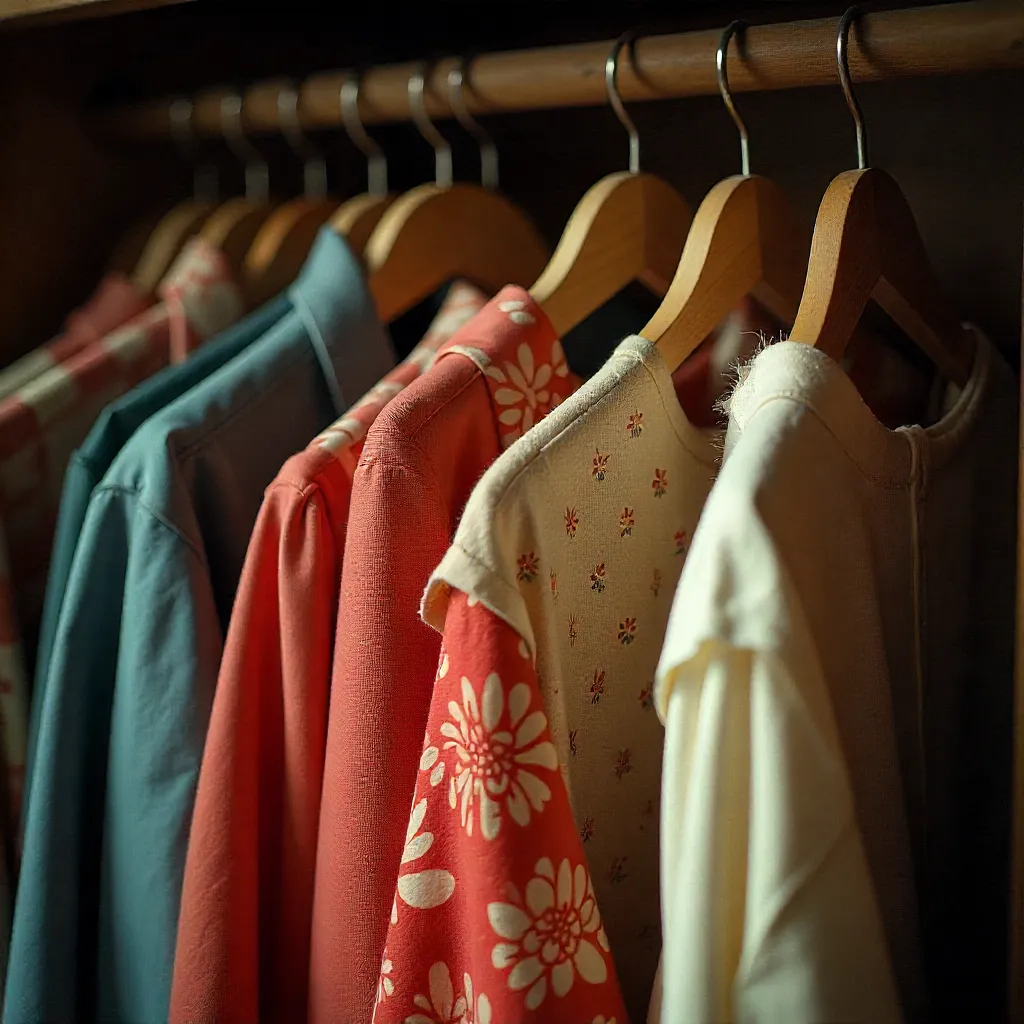
Every fiber has its own character. Silk behaves differently than wool, and cotton responds differently than linen. Understanding these differences allows you to care for each garment according to its nature rather than applying one-size-fits-all methods.

The key is observation. Notice how fabrics feel, how they respond to moisture, how they react to light. These observations teach you more than any guide can—they help you develop an intuitive understanding of textile behavior.
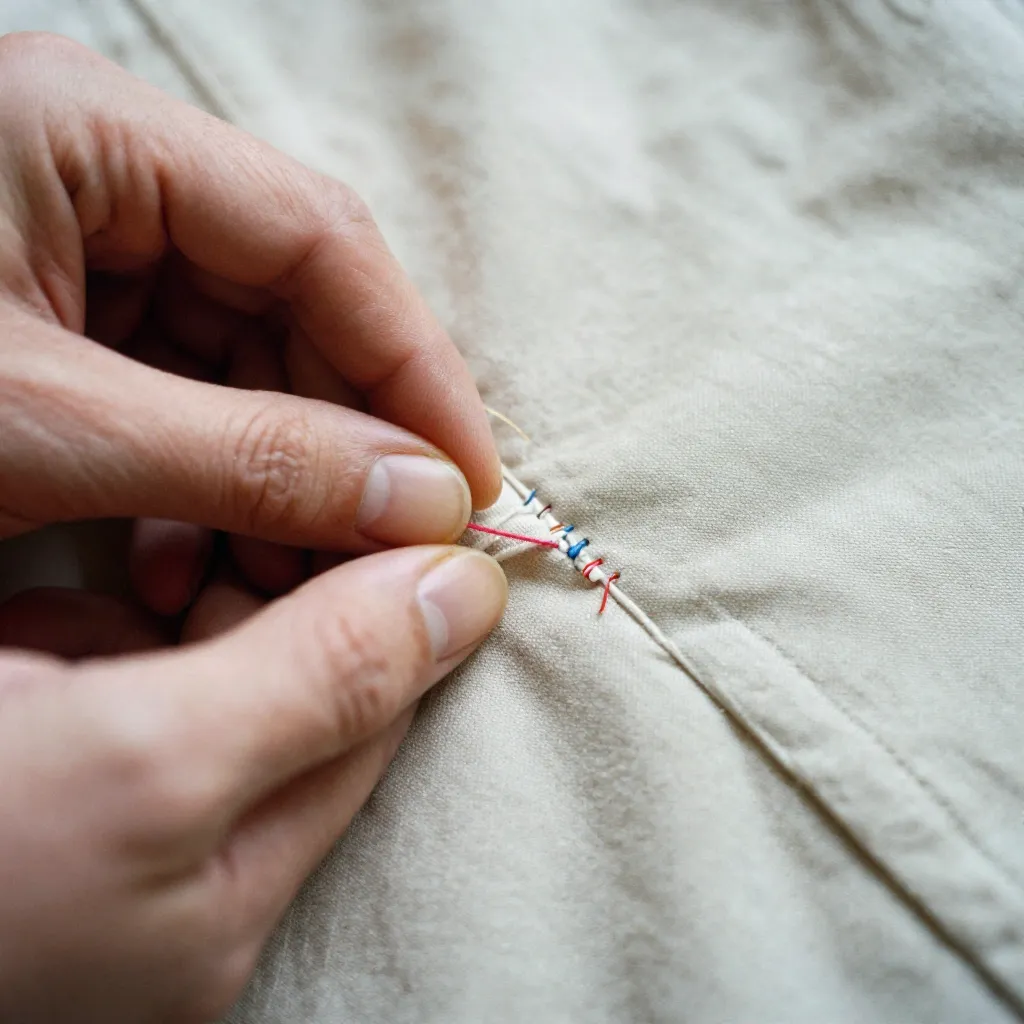

Reading garment characteristics

Silk: The Delicate Strength

Silk is remarkably strong for its weight but vulnerable to certain environmental factors. It's sensitive to light, which can cause fading and weakening over time. Direct sunlight is particularly damaging.

Moisture affects silk differently depending on the weave. Tightly woven silks resist water better than loose weaves, but all silk benefits from gentle handling when wet. Avoid wringing or twisting, as this can damage the fiber structure.

Heat can cause silk to shrink or become brittle. Store silk garments away from heat sources and avoid high-temperature cleaning methods. When cleaning, use cool water and gentle detergents designed for delicate fabrics.

Silk fiber characteristics

Wool: Natural Resilience

Wool has natural properties that make it resilient to many challenges. It resists wrinkles, repels water, and provides insulation. However, it's vulnerable to moths and can felt if exposed to heat and agitation.

Moisture management is crucial for wool. It can absorb significant moisture without feeling wet, but excessive moisture combined with heat can cause felting. Always clean wool gently in cool water with minimal agitation.

Storage requires protection from pests. Cedar, lavender, or proper storage bags help deter moths. Ensure wool garments are clean before storage, as moths are attracted to food stains and body oils.

Wool fiber characteristics

Cotton: Versatile and Vulnerable

Cotton is durable and easy to care for, but it's not immune to damage. It's particularly vulnerable to mildew if stored damp, and it can yellow with age and exposure to light.

Light exposure causes cotton to weaken and discolor over time. Store cotton garments away from direct light, especially white or light-colored items. Rotate stored items periodically to ensure even exposure.

Moisture can cause cotton to shrink, especially when combined with heat. Always follow care labels, but when in doubt, use cool water and gentle cycles. Avoid high-heat drying, which can cause excessive shrinkage and weakening.

Cotton fiber characteristics

Environmental Factors

Light, moisture, and heat work together to affect fibers. Understanding their interactions helps you create optimal conditions for garment preservation.

Light causes photodegradation—the breakdown of fibers due to exposure. UV light is particularly damaging. Store garments away from windows and direct light sources. When displaying garments, use UV-filtering glass or rotate items regularly.

Humidity levels affect all natural fibers. Too much moisture encourages mold and mildew, while too little can cause fibers to become brittle. Aim for moderate, stable humidity levels in storage areas.

Temperature fluctuations cause fibers to expand and contract, creating stress that can lead to damage. Stable temperatures are preferable to perfect ones. Avoid storing garments near heat sources or in uninsulated areas.

Environmental factors affecting fibers

Privacy Notice

We use cookies and similar technologies to enhance your browsing experience and analyze site traffic. By continuing to use this site, you consent to our use of cookies.

For more information, please review our Privacy Policy and Cookies Policy.