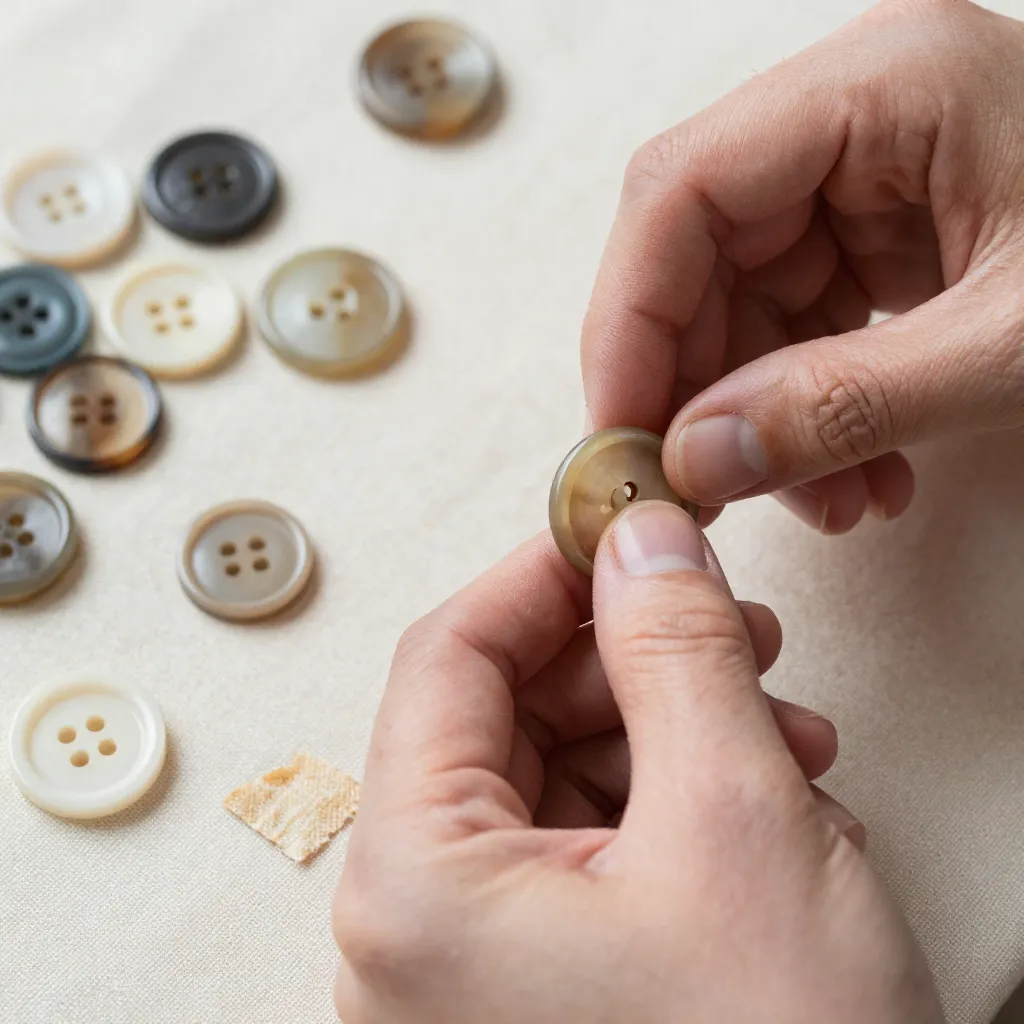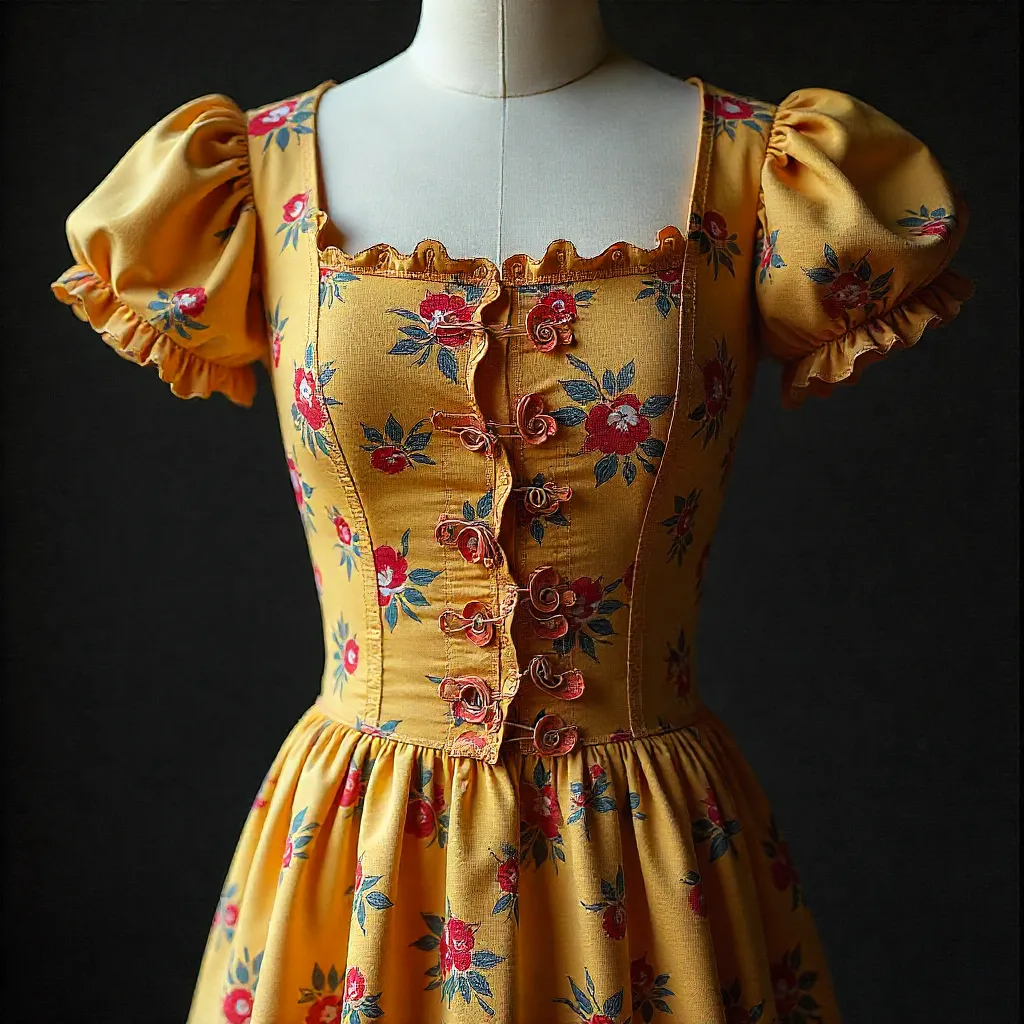
Embracing Imperfection

Visible mending is a philosophy as much as a technique. It acknowledges that wear and damage are part of a garment's story. Instead of attempting to make repairs invisible, visible mending celebrates them as evidence of use and care.

This approach has roots in traditional practices from around the world, where repairs were often decorative and functional. Japanese sashiko, Scandinavian darning, and English embroidery all contribute to the rich tradition of visible mending.

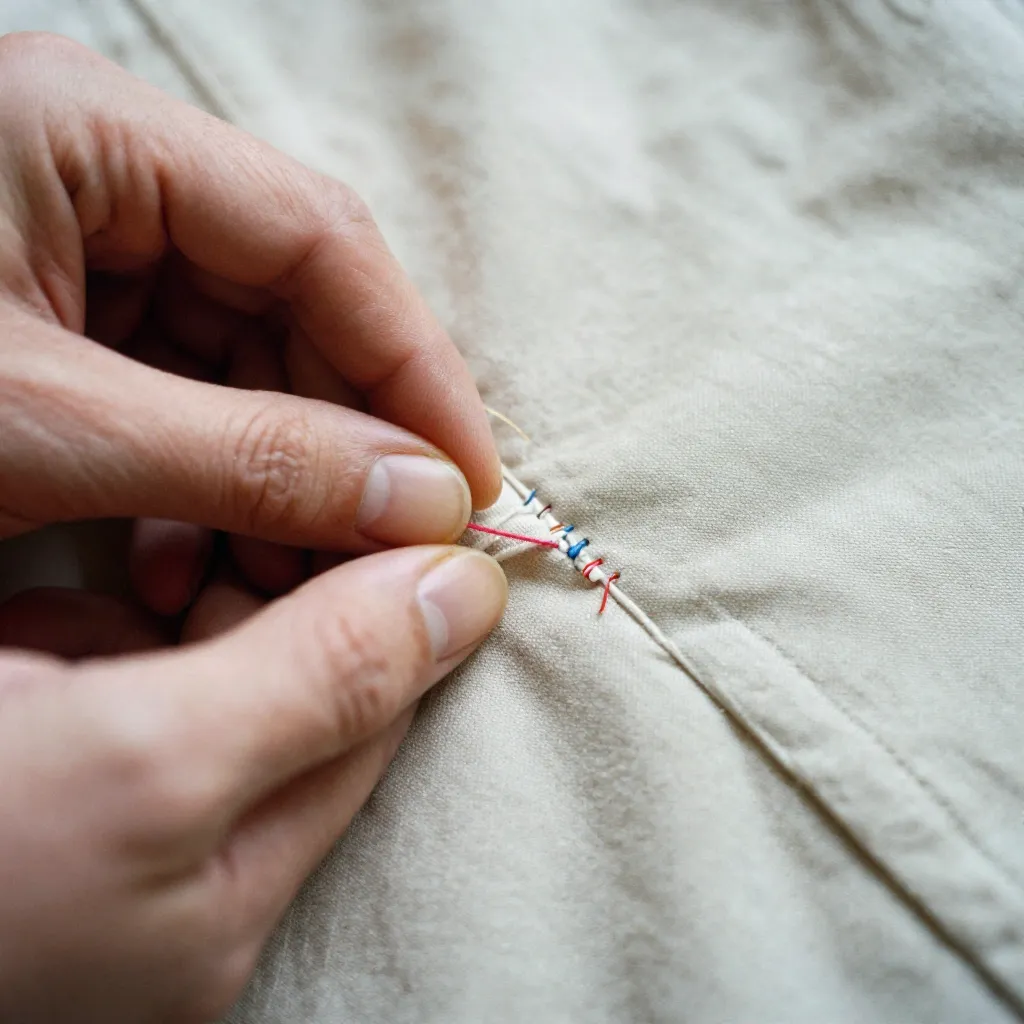
Traditional mending philosophy

Essential Techniques

Darning

Darning creates a woven patch that integrates with the original fabric. It's ideal for small holes and thin areas. The technique involves creating a grid of threads that mimics the original weave, then filling it in with perpendicular threads.

Choose thread that matches or contrasts with your fabric, depending on whether you want subtlety or visibility. Silk thread works well for delicate fabrics, while cotton or wool suits heavier materials.

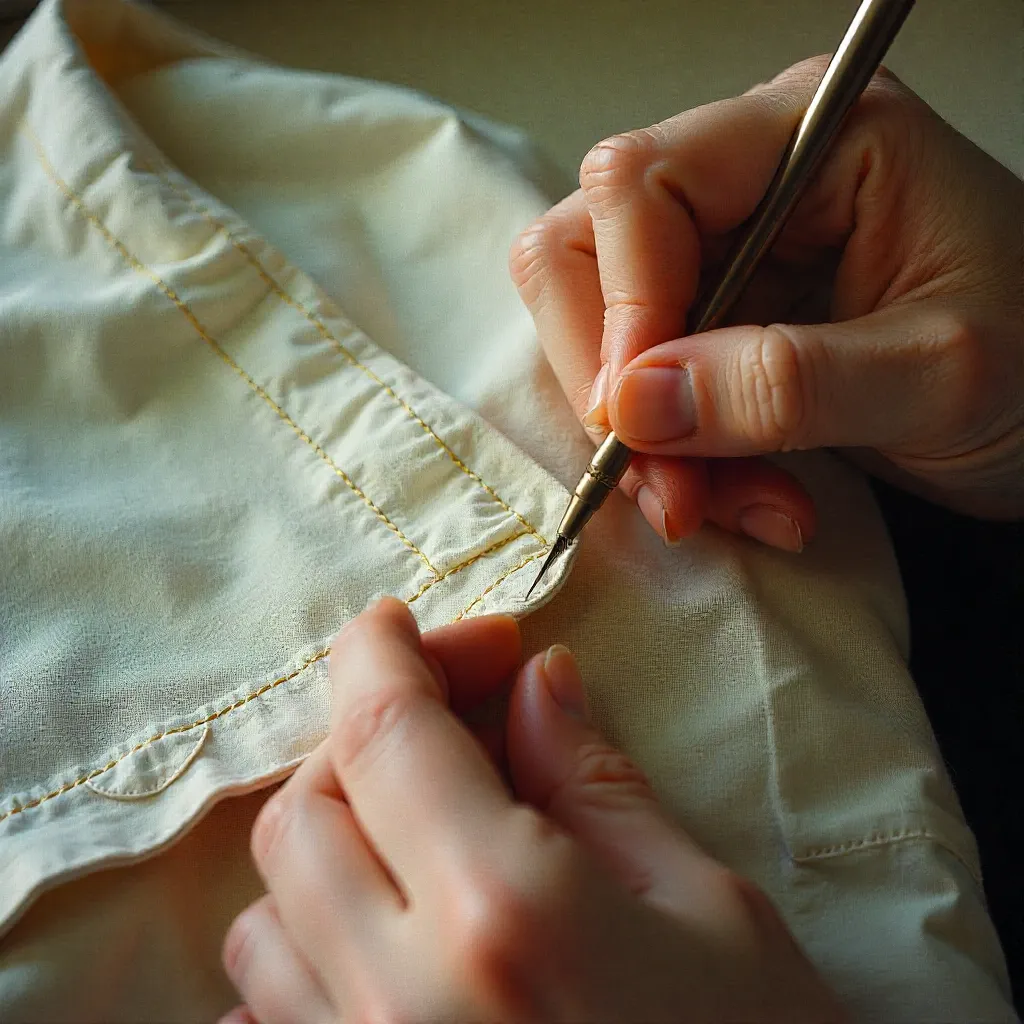
Darning technique demonstration

Embroidery Patches

Embroidery can turn a tear into a decorative feature. Simple stitches like running stitch, backstitch, or satin stitch can create patterns that both repair and enhance. Consider the garment's style when choosing your design.

For vintage garments, botanical motifs or geometric patterns often complement the original design. Work slowly and test your thread tension on a scrap first to ensure your stitches don't pucker the fabric.

Embroidery patch techniques

Fabric Patches

Patches can be functional and decorative. Choose fabric that complements your garment—consider weight, texture, and color. Vintage fabrics often work well, creating a harmonious blend of eras.

Secure patches with both machine and hand stitching for durability. Decorative edge stitching can turn a simple patch into a design element. Consider using contrasting thread or decorative stitches along the edges.

Fabric patch application methods

Best Practices

Before beginning any repair, assess the damage carefully. Check surrounding areas for weakness that might need reinforcement. Clean the garment first, as dirt can interfere with stitching and make repairs less durable.

Match your thread weight to your fabric weight. Heavy thread on delicate fabric can cause puckering, while light thread on heavy fabric may not provide sufficient strength. Always test your technique on a scrap or hidden area first.

Consider the garment's future use when planning repairs. Items that will receive heavy wear need stronger repairs than display pieces. Balance aesthetic choices with practical needs.

Best practices for visible mending

Privacy Notice

We use cookies and similar technologies to enhance your browsing experience and analyze site traffic. By continuing to use this site, you consent to our use of cookies.

For more information, please review our Privacy Policy and Cookies Policy.