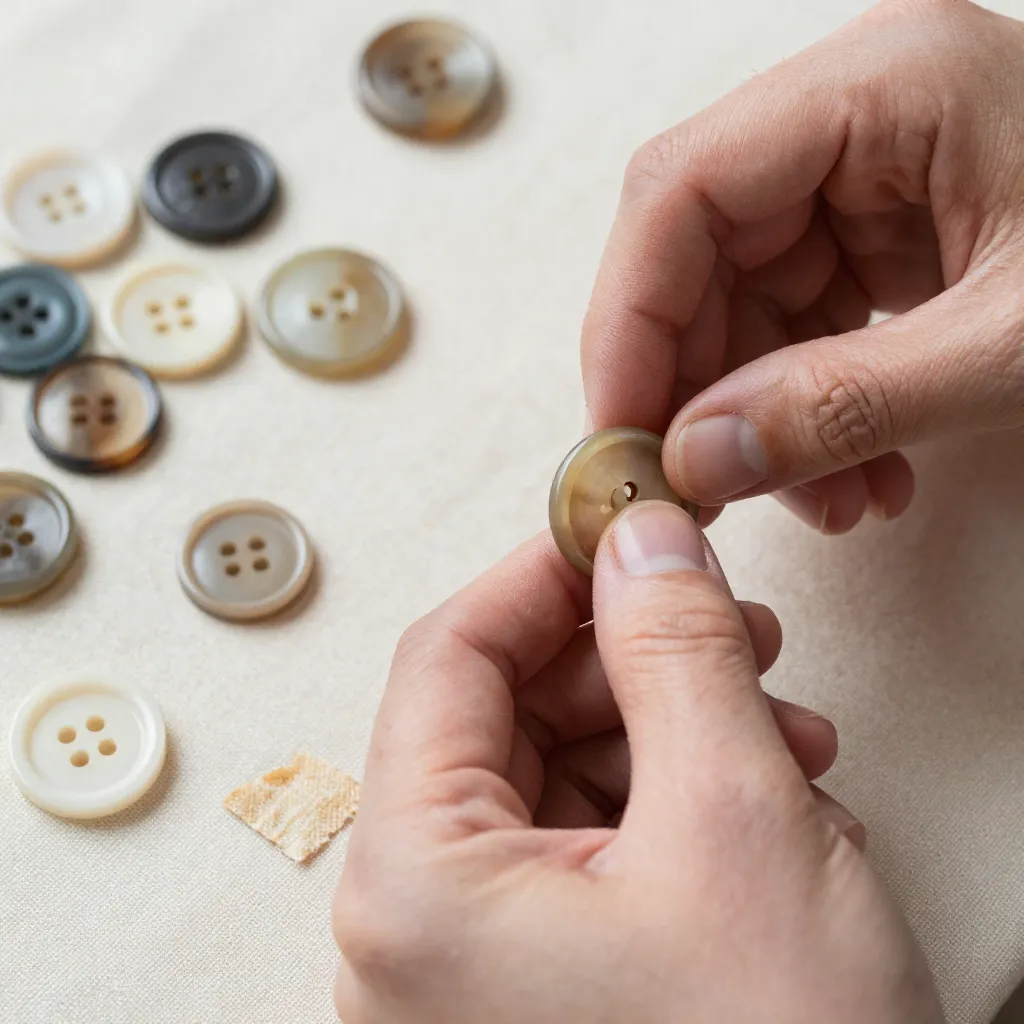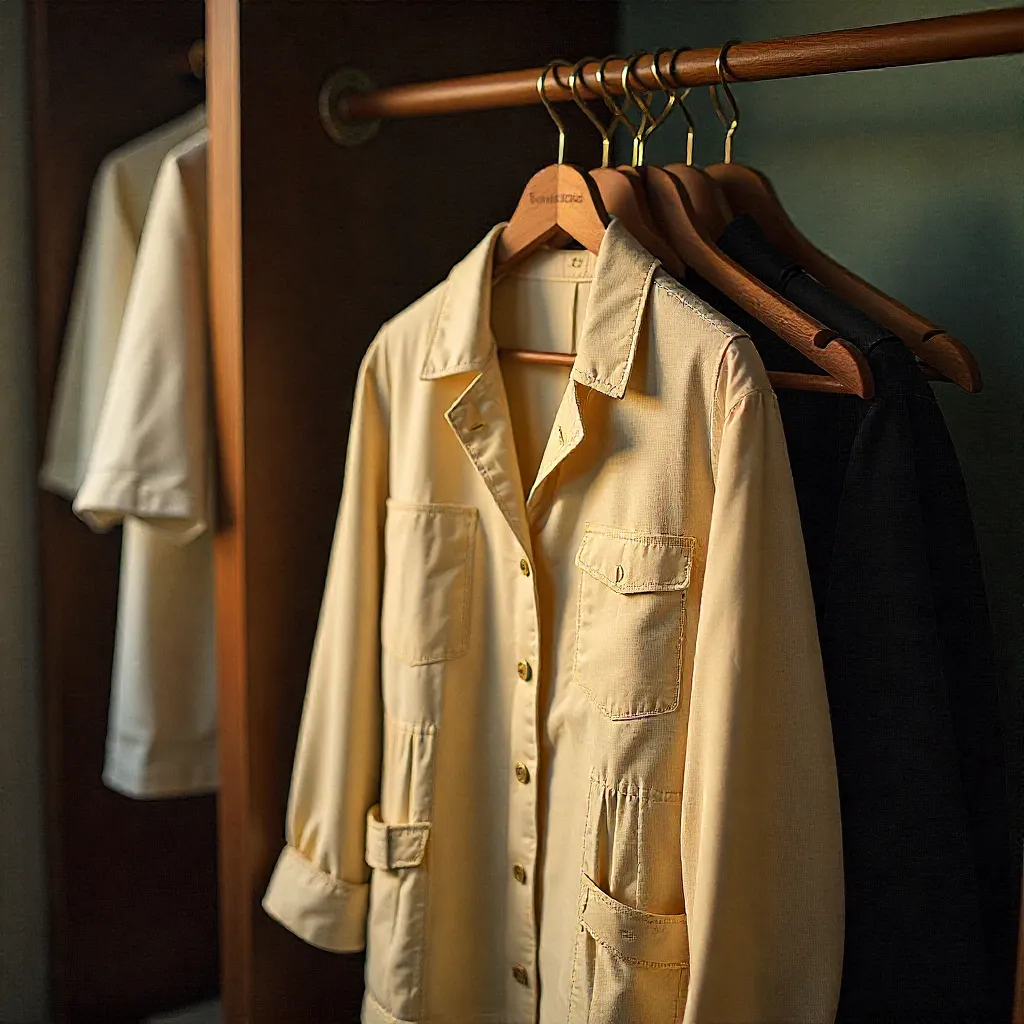
The Science of Hibernation

Garments need rest periods, especially when transitioning between seasons. During storage, fabrics are vulnerable to environmental factors that can cause irreversible damage. Understanding these factors allows you to create optimal conditions.

The goal is to slow deterioration while maintaining the garment's structure and appearance. This requires attention to temperature, humidity, light exposure, and the materials used for storage itself.
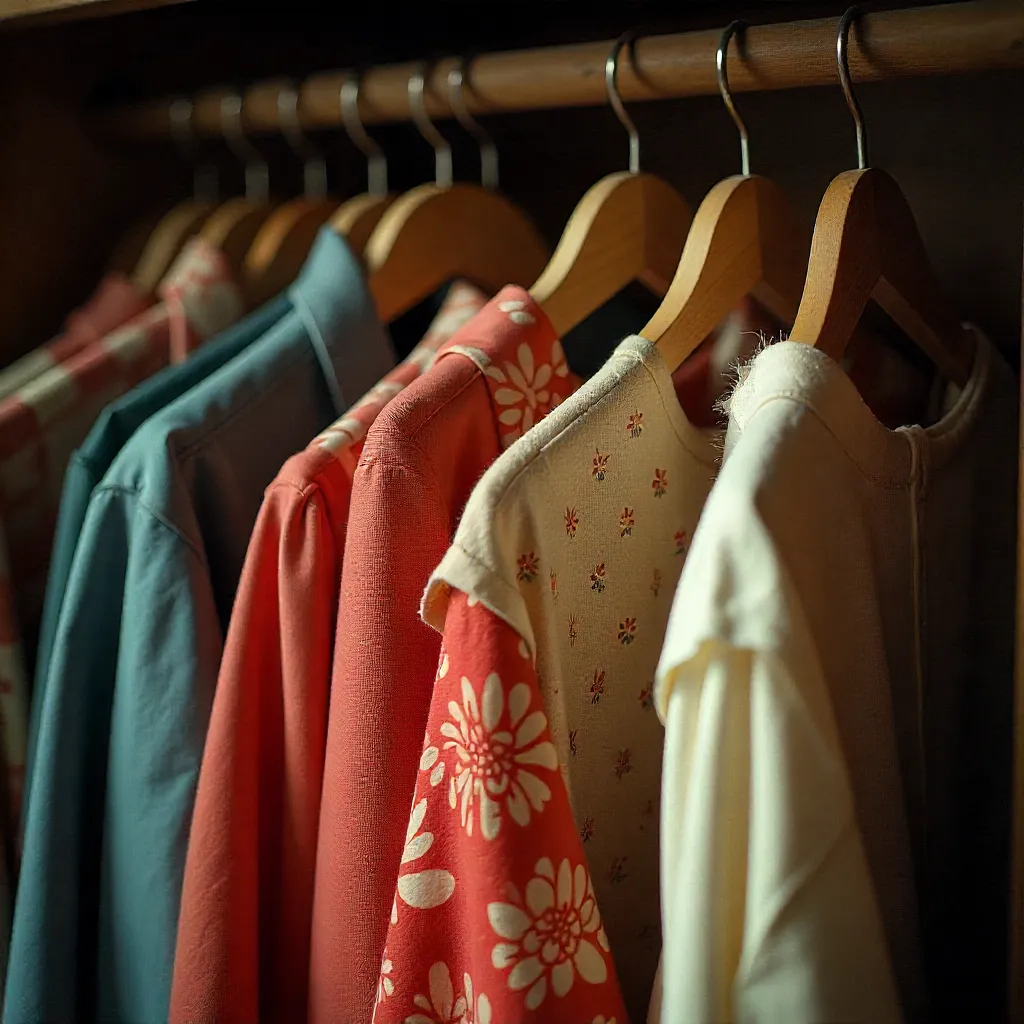

Science of garment hibernation

The Importance of Airflow

Why Airflow Matters

Stagnant air traps moisture and allows pests to thrive. Proper airflow prevents mold growth and keeps fabrics fresh. However, too much airflow can cause excessive drying and fiber damage.

The solution is controlled ventilation. Storage areas should allow air to circulate without creating drafts. Avoid sealing garments in completely airtight containers unless you're using desiccants to control humidity.

Understanding airflow in garment storage

Choosing Storage Materials

The materials you use for storage can damage garments if chosen incorrectly. Plastic garment bags are particularly problematic—they trap moisture, prevent airflow, and can cause yellowing over time.

Acid-free tissue paper is essential for wrapping delicate items. It prevents creasing while protecting against light and dust. Look for tissue that's specifically labeled as acid-free and lignin-free.

Natural materials like cotton muslin or unbleached cotton work well for garment bags. They allow breathability while providing protection. Cedar blocks can help deter pests, but avoid direct contact with fabrics as they can cause staining.

Storage materials selection

Seasonal Transitions

Preparing garments for storage requires careful cleaning and inspection. Never store dirty garments—stains can set and attract pests. Clean items according to their fiber type and care requirements.

Before storing, check for any damage that might worsen during storage. Repair small issues now rather than allowing them to develop. Ensure garments are completely dry before storing to prevent mold growth.

Fold garments carefully to minimize creasing. Use acid-free tissue paper to pad folds and prevent sharp creases. For very delicate items, consider rolling rather than folding to reduce stress on fibers.

Seasonal transition preparation

Long-term Preservation

For items stored for extended periods, periodic inspection is crucial. Check stored garments every few months for signs of damage, pest activity, or environmental changes. Adjust storage conditions as needed.

Maintain consistent temperature and humidity levels. Fluctuations can cause fibers to expand and contract, leading to stress and damage. Aim for stable conditions rather than perfect ones.

Document your storage methods and any observations. This creates a record that helps you refine your approach and identify patterns in how different fabrics respond to storage conditions.

Long-term preservation techniques

Privacy Notice

We use cookies and similar technologies to enhance your browsing experience and analyze site traffic. By continuing to use this site, you consent to our use of cookies.

For more information, please review our Privacy Policy and Cookies Policy.